
Workflows Articles
Browse 1006 articles about Workflows.

How to Build an AI Content Empire: One Input, 15 Outputs with AI Video Tools
Learn how to turn one PDF or newsletter into YouTube videos, shorts, LinkedIn posts, and multilingual content using AI avatar and video generation tools.

How to Build an AI Digital Twin for Content Creation Using HeyGen
Create a digital avatar from 15 seconds of video, then use it to publish scripts, change outfits, and deliver content in 15+ languages without re-filming.

How to Build an AI Film Production Workflow with Claude Code and MCP
Learn how to use Claude Code as a production office for AI filmmaking—story breakdowns, character references, scene generation, and asset tracking via MCP.

AI Model Routing in 2026: When to Use Fable 5, Opus, Sonnet, and Haiku
Not every task needs your most expensive model. Learn how to route tasks across Claude Fable 5, Opus, Sonnet, and Haiku to cut costs without losing quality.
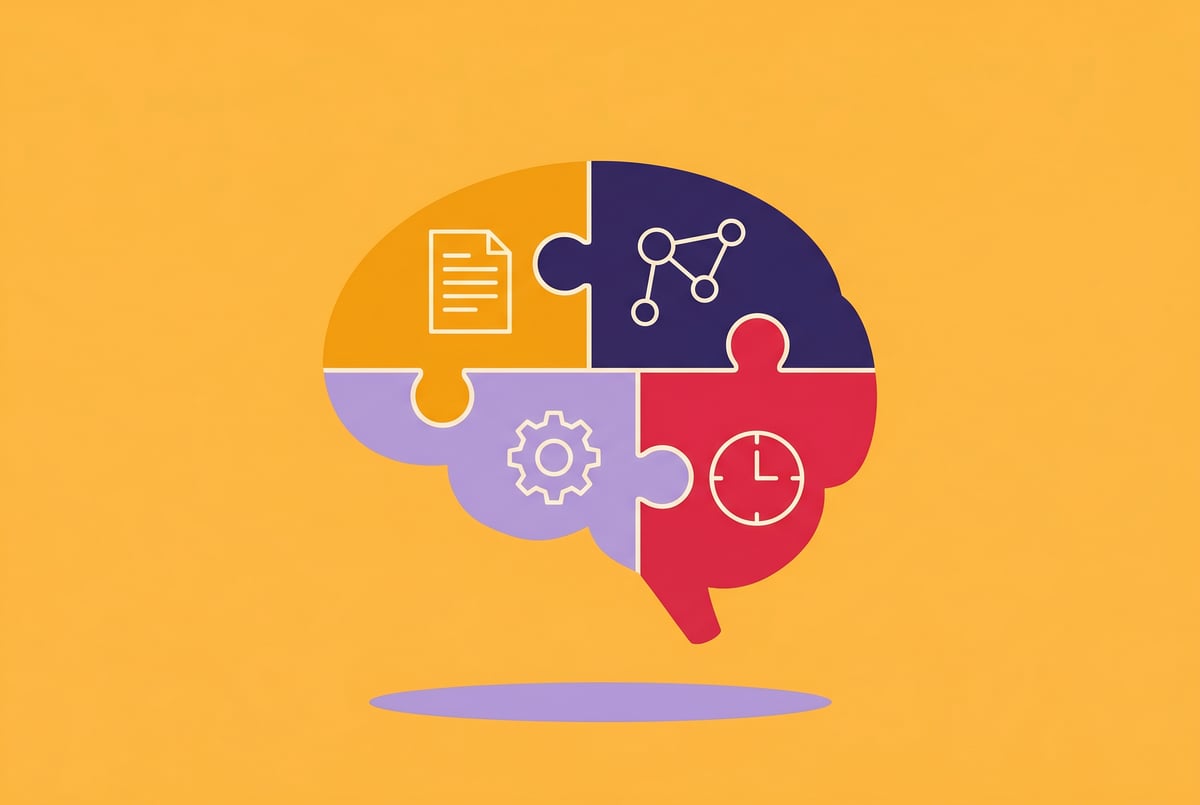
How to Build an AI Second Brain with the Four C's Framework: Context, Connections, Capabilities, Cadence
The Four C's framework gives you a repeatable system for building an AI operating system that knows your business and automates work while you sleep.

How to Build a Brainstorm-First AI Workflow: Separate Ideation from Execution
Instead of asking AI for one answer, ask for five options first. This brainstorm-first technique consistently produces better outputs across any AI task.

How to Use Claude Fable 5 for Complex Agentic Workflows: Tips and Best Practices
Claude Fable 5 excels at long, complex tasks but burns tokens fast. Learn how to set effort levels, manage costs, and get the most out of this model.
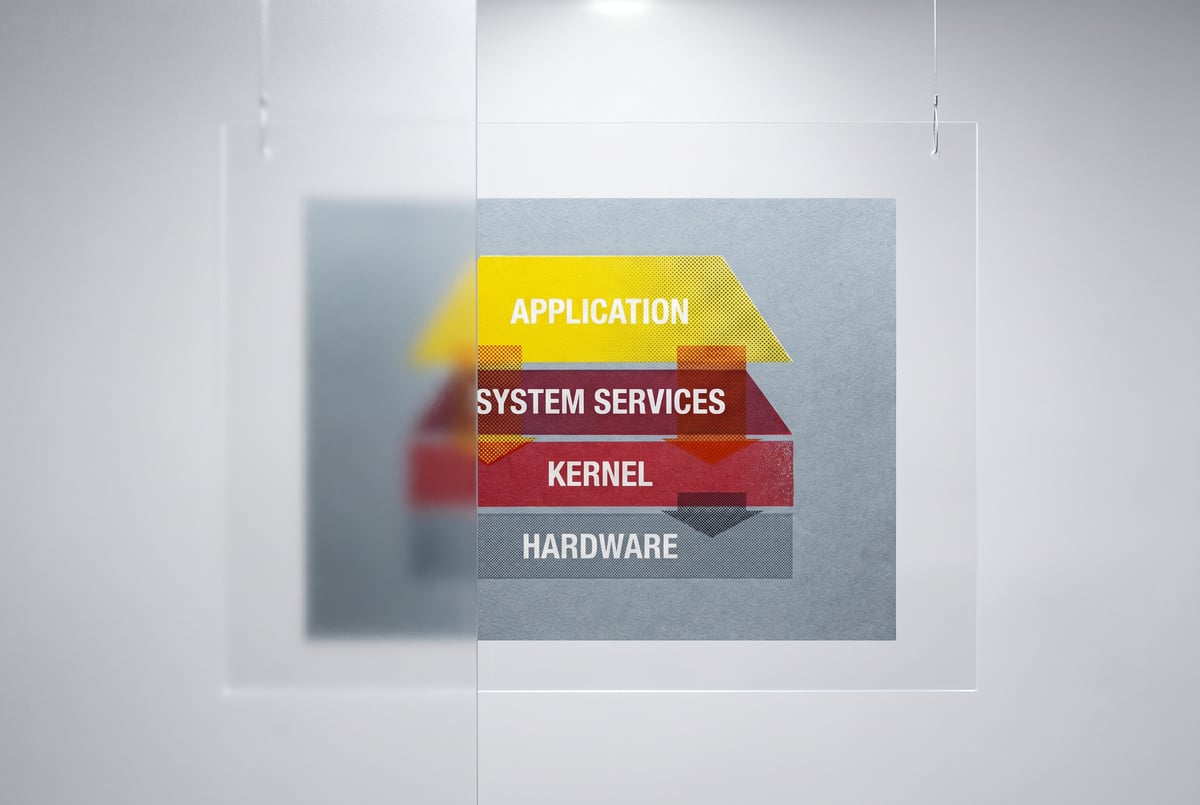
How to Build an AI Operating System Using the Four C's Framework
The Four C's—Context, Connections, Capabilities, and Cadence—are the building blocks of a personal AI OS. Learn how to implement each layer with Claude Code.
How to Build an AI Second Brain with Claude Fable 5 and Claude Code
Learn how to build a personal AI operating system using Claude Fable 5, the Four C's framework, and Claude Code skills for maximum productivity.
How to Use Claude Artifacts to Build Shareable Web Apps from a Single Prompt
Claude Artifacts turn interactive visuals into standalone web apps with shareable URLs. Learn the brainstorm-first prompt strategy that gets better results.

Claude Code vs OpenAI Codex: Steering vs Dispatching Agents
Claude Code makes steering agents feel natural. Codex makes dispatching feel natural. Learn which approach fits your work and when to use both together.

Claude Fable 5 for Long-Running Agentic Coding: Real-World Results
Claude Fable 5 excels at complex, multi-hour coding tasks. See real benchmarks, Stripe's 50M-line migration case, and when it's worth the 2x cost.

How to Use Claude Fable 5 Dynamic Workflows for Parallel Sub-Agent Execution
Claude Fable 5 paired with dynamic workflows can spawn hundreds of parallel sub-agents. Learn how to use this combination for massive agentic coding tasks.

How to Use Claude Fable 5 Effort Levels: Low, Medium, High, and Max
Claude Fable 5 has five thinking modes. Learn when to use low vs max effort, why overkill hurts performance, and how to match effort to task complexity.

Claude Fable 5 Token Costs: How to Manage Usage Without Burning Your Budget
Claude Fable 5 costs $50 per million output tokens and eats sessions fast. Here's how to use effort levels, delegation, and routing to control costs.

How to Deploy AI Agents to Google Cloud Using the Google Agent CLI
Google's Agent CLI lets you scaffold, evaluate, and deploy AI agents to GCP in minutes using Claude Code. Learn the full workflow from idea to production.

How to Build a Hybrid AI Memory System for Claude Code: Storage, Injection, and Recall
Learn how to combine MemSearch and Hermes to build a memory system that stores everything, injects smartly, and recalls by meaning with source citations.

What Is Agent Literacy? The Core Skill Every AI Builder Needs in 2026
Agent literacy is the ability to assign, verify, and manage AI agent work. Learn the key habits, failure modes, and decision rules that separate top builders.

What Is the Google Agent CLI? The Open-Source Tool for Shipping AI Agents to Production
Google's Agent CLI combines CLI capabilities with skills to take AI agents from idea to production deployment. Learn how it works and when to use it.

What Is MemSearch? The Hybrid AI Memory Library for Claude Code Agents
MemSearch provides automatic summarized storage and hybrid semantic-keyword search for AI agents. Learn how it compares to Hermes and GBrain for memory.