
LLMs & Models Articles
Browse 480 articles about LLMs & Models.
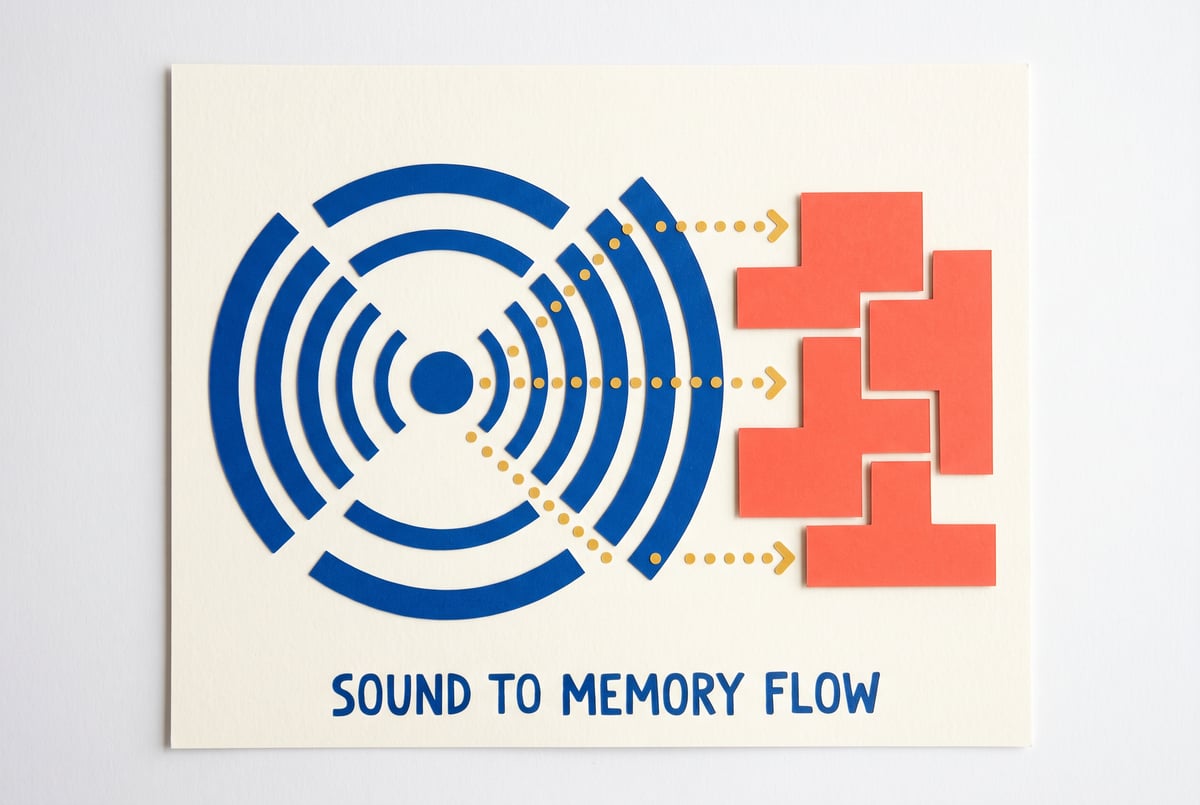
Cache-Aware Streaming ASR: How NVIDIA Nemotron 3.5 Cuts Transcription Latency
Cache-aware streaming reuses encoder states instead of reprocessing audio chunks, cutting latency by up to 17x. Here's how it works for real-time transcription.

Claude Mythos vs Claude Opus 4.8: What We Know About Anthropic's Next Model
Claude Mythos sits above Opus in Anthropic's model hierarchy. Here's what the leaks, Project Glasswing, and pricing signals tell us about what to expect.

Microsoft MAI Models Explained: Thinking, Code, Image, Transcribe, and Voice
Microsoft announced seven in-house AI models at Build 2026. Here's what each MAI model does, how they benchmark, and when you'd use one over Claude or GPT.

Minimax M3: The 1M Token Coding Model That Claims to Beat GPT 5.5 on SWEbench
Minimax M3 is a coding-focused model with a 1 million token context window that outperforms GPT 5.5 and Gemini on SWEbench Pro at a fraction of the cost.

What Is Miso One? The Open-Source Voice Model That Sounds Like a Real Human
Miso One is an open-weight TTS model that produces highly emotive, human-sounding speech. Here's what it can do and how it compares to closed voice models.

What Is NVIDIA Nemotron 3.5 ASR? The Streaming Speech-to-Text Model Explained
NVIDIA Nemotron 3.5 ASR is a 600M streaming model supporting 40 languages with cache-aware architecture. Learn how it works and when to use it.

Claude Mythos vs Claude Opus 4.8: What's the Difference?
Claude Mythos is a new model tier above Opus. Compare capabilities, access restrictions, pricing, and what it means for AI builders.

Ideogram 4.0: The Best Open-Weight Image Model You Can Fine-Tune
Ideogram 4.0 is the highest-ranked open-weight image model available. Learn what makes it stand out, its strengths, and how to use it in workflows.

Local AI Inference with RTX Spark: What Changes When You Run LLMs On-Device
NVIDIA's RTX Spark chip enables local LLM inference with 128GB unified memory. Learn the privacy, cost, and offline benefits for AI workflows.

MAI Transcribe 1.5: Is Microsoft's New Model the Best Transcription AI?
MAI Transcribe 1.5 claims to be the world's most accurate transcription model and 5x faster than competitors. Here's what the data shows.

Microsoft Build 2026: MAI Models, Scout Agent, and RTX Spark Explained
Microsoft Build 2026 introduced seven new AI models, the Scout autopilot agent, and RTX Spark chip. Here's what matters for AI builders.

Miso One Voice Model: The Open-Source TTS That Sounds Like a Real Human
Miso One is an open-weight voice model that claims to be the most emotive TTS available. Learn how it compares and how to run it locally.

NVIDIA Nemotron 3 Ultra: The 550B Open-Weight Model Built for AI Agents
NVIDIA's Nemotron 3 Ultra is a 550B parameter open-weight model designed for agentic tasks. Learn its benchmarks, training recipe, and use cases.

What Is the Intelligence Staircase? How AI Capability Jumps Work
Intelligence doesn't scale linearly—it jumps in steps. Learn what the intelligence staircase means for AI development and what comes after human-level.

What Is the RTX Spark Chip? NVIDIA's AI-First GPU-CPU for Local Model Inference
NVIDIA's RTX Spark is a hybrid GPU-CPU chip with 128GB unified memory that can run large LLMs locally. Here's what it means for AI builders.

Google Gemma 4-12B: A Laptop-Runnable Open Model That Matches Gemma 4-26B
Google's Gemma 4-12B runs on 16GB of VRAM and performs nearly as well as the 26B version. Here's what it can do and why it matters for local AI workflows.

Ideogram 4.0: The Best Open-Weight Image Model You Can Fine-Tune
Ideogram 4.0 is the strongest open-weight image generator available. Download the weights, fine-tune it, and run it on your own hardware. Here's how.

What Is Local AI Inference? Why NVIDIA RTX Spark Changes Everything
NVIDIA's RTX Spark chip brings 128GB unified compute to laptops, enabling large LLMs to run locally without internet. Here's what it means for AI builders.

MAI Transcribe 1.5: Is Microsoft's New Model Really the Best Transcription AI?
MAI Transcribe 1.5 claims to be the world's most accurate and fastest transcription model—5x faster than competitors. Here's what the benchmarks show.

Microsoft MAI Models Explained: Thinking, Code, Image, Transcribe, and Voice
Microsoft Build unveiled 7 new MAI models including a reasoning model, coding model, and the world's fastest transcription model. Here's what each does.