
Automation Articles
Browse 802 articles about Automation.

How to Build an AI Content Empire: One Input, 15 Outputs with AI Video Tools
Learn how to turn one PDF or newsletter into YouTube videos, shorts, LinkedIn posts, and multilingual content using AI avatar and video generation tools.

How to Build an AI Digital Twin for Content Creation Using HeyGen
Create a digital avatar from 15 seconds of video, then use it to publish scripts, change outfits, and deliver content in 15+ languages without re-filming.
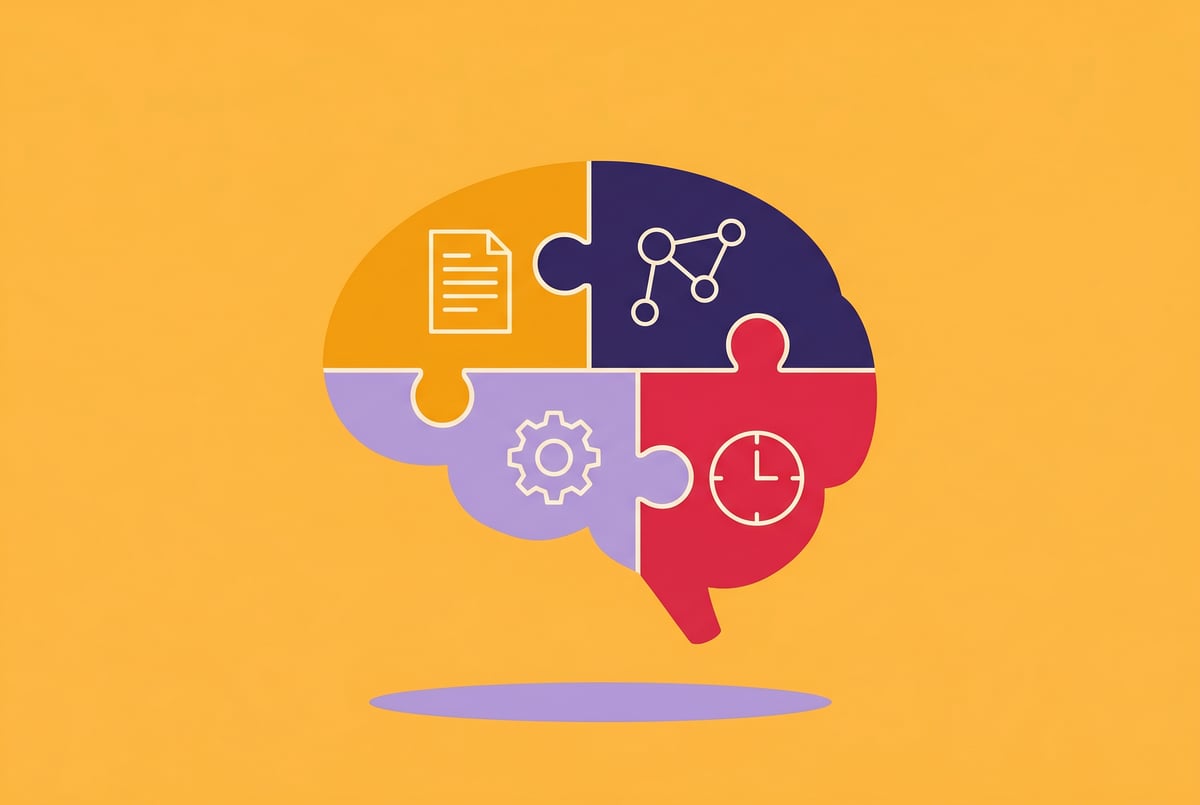
How to Build an AI Second Brain with the Four C's Framework: Context, Connections, Capabilities, Cadence
The Four C's framework gives you a repeatable system for building an AI operating system that knows your business and automates work while you sleep.

How to Use Claude Fable 5 for Complex Agentic Workflows: Tips and Best Practices
Claude Fable 5 excels at long, complex tasks but burns tokens fast. Learn how to set effort levels, manage costs, and get the most out of this model.
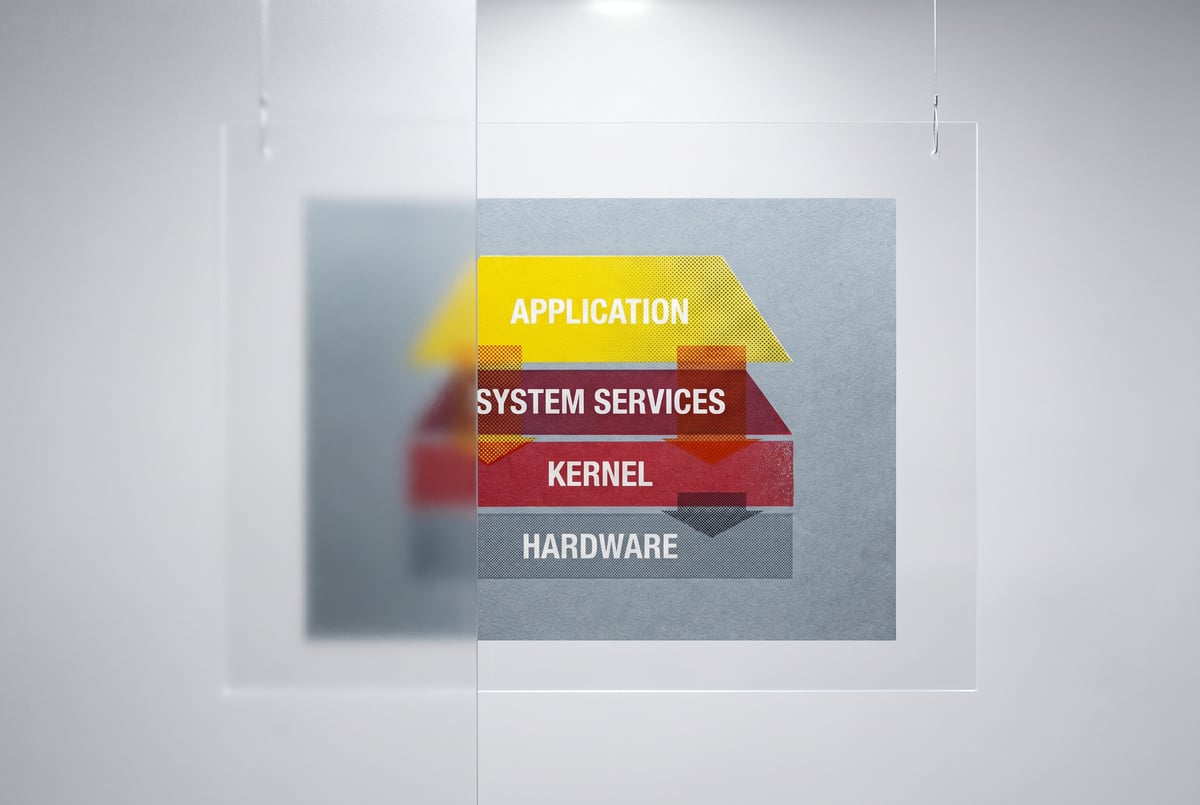
How to Build an AI Operating System Using the Four C's Framework
The Four C's—Context, Connections, Capabilities, and Cadence—are the building blocks of a personal AI OS. Learn how to implement each layer with Claude Code.

How to Build an AI Second Brain with Claude Fable 5 and Claude Code
Learn how to build a personal AI operating system using Claude Fable 5, the Four C's framework, and Claude Code skills for maximum productivity.

How to Use Claude Fable 5 Dynamic Workflows for Parallel Sub-Agent Execution
Claude Fable 5 paired with dynamic workflows can spawn hundreds of parallel sub-agents. Learn how to use this combination for massive agentic coding tasks.

How to Deploy AI Agents to Google Cloud Using the Google Agent CLI
Google's Agent CLI lets you scaffold, evaluate, and deploy AI agents to GCP in minutes using Claude Code. Learn the full workflow from idea to production.

How to Build a Hybrid AI Memory System for Claude Code: Storage, Injection, and Recall
Learn how to combine MemSearch and Hermes to build a memory system that stores everything, injects smartly, and recalls by meaning with source citations.

What Is the Google Agent CLI? The Open-Source Tool for Shipping AI Agents to Production
Google's Agent CLI combines CLI capabilities with skills to take AI agents from idea to production deployment. Learn how it works and when to use it.

Claude Fable 5 vs GPT 5.5: Which Frontier Model Wins for Agentic Work?
Claude Fable 5 dominates coding benchmarks and long-horizon tasks. GPT 5.5 leads on voice and image. Here's how they compare for real workflows.

How to Build an Agentic Loop with Claude Code: Verification, Cost, and Stopping Criteria
Learn how to design agentic loops in Claude Code with proper verification steps, spending limits, and stopping conditions to avoid runaway token costs.

How to Run Claude Code on a VPS with Telegram Mobile Access
Run Claude Code 24/7 on a VPS and control it from your phone via Telegram. Step-by-step SSH, Tmux, and Channels plugin setup guide.

What Is an Agentic Loop? The New Meta for AI Coding Agents
Agentic loops let AI agents prompt themselves instead of waiting for you. Learn what they are, how to build one, and when not to use them.

How to Use AI Agents to Automate Business Workflows: Loops, Skills, and Sub-Agents
Move beyond manual prompting with loops, skills, and sub-agents. Learn how to design goal-based AI workflows that run autonomously across your business.

How to Use AI for Content Creation: From Research to Published Post with Sub-Agents
Use Claude Code sub-agents to parallelize content research, drafting, and review. Learn how to build a multi-agent content pipeline that runs while you sleep.

Claude Code Sub-Agents Explained: Context, Cost, and Parallel Execution
Sub-agents in Claude Code let you delegate tasks to fresh sessions, use cheaper models, and run work in parallel. Here's how to build and use them.

How to Run Claude Code on a VPS: 24/7 Always-On AI Workflows
Running Claude Code on a VPS keeps your AI workflows alive when your laptop sleeps. Learn how to set up SSH, install Claude, and connect via Telegram.

How to Use Telegram with Claude Code for Mobile AI Agent Access
Connect Claude Code to Telegram using the official channels plugin and Tmux to dispatch AI tasks from your phone and walk away while they run.

What Is Loop Engineering? The New Meta for AI Coding Agents
Loop engineering replaces manual prompting with goal-based automation. Learn what loops are, how they work, and when to use them in your AI workflows.